Sex Work
Sex work is defined as the exchange of money or other valuables for sexual services or activities. Sex work is not to be confused with sex trafficking or any other means of coerced sex work. In many countries sex work is illegal, but it remains legal in a few different countries around the world. Sex work is often very stigmatized and not viewed as an actual job by many societies and people wherein. Sex work is controlled and managed by the government in many countries. In Angela Jones’ book, “Camming: Money, Power, and Pleasure in the Sex Work Industry”, she states, “Moral entrepreneurs include an array of politicians and political pundits, as well as agents within the rescue industry, who, drawing from religious and neo-Victorian ideas about appropriate sexuality, collectively construct policies that harm and stigmatize sex workers”.
Germany & Sex Work
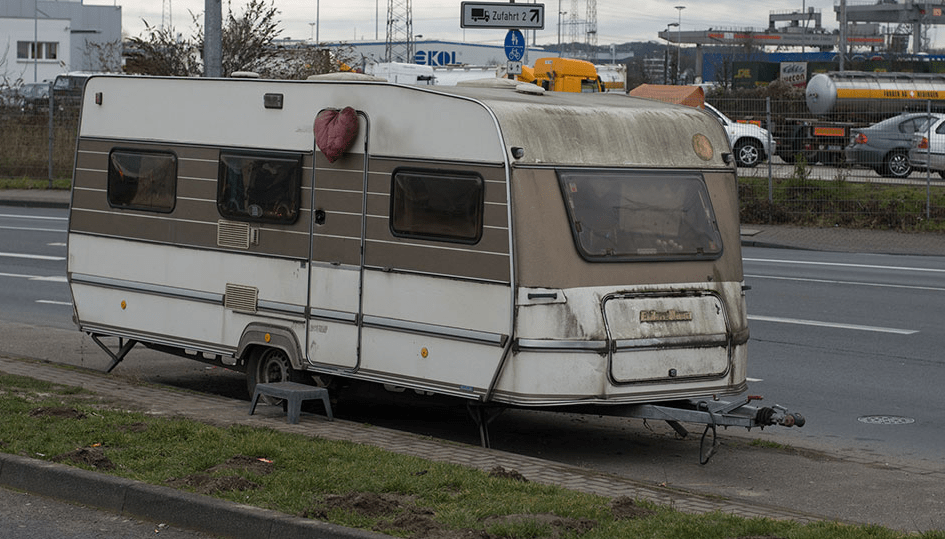
Germany is one of the few countries where selling sex, buying sex, brothers and pimping is legal. Germany legalized prostitution in 2002 it triggered an apparently unstoppable growth in the country’s sex industry. It’s now worth 15 billion euros a year and embraces everything from 12-story mega-brothels to outdoor sex boxes. Sex boxes are often cargo vans found on the side of the road, see attached photo for an example. In Germany, the country legalized sex work basically to make a lot of money. But initially the idea was to recognise prostitution as a job like any other. Sex workers should be able to enter into employment contracts, sue for payment and register for health insurance. Unfortunately, this did not end up being the case. In the article the author Joel Gunter states, “Nobody employs prostitutes in Germany”. To expand, he states, “None of the authorities I spoke to had ever heard of a prostitute suing for payment, either. And only 44 prostitutes have registered for benefits”. Even though the social institution, the government, aimed to benefit sex workers, they ended up keeping the industry the same but making a lot of money.
Thailand & Sex Work
Unlike Germany, sex work is illegal and incredibly stigmatized in Thailand. But like Germany, it has one of the biggest sex industries around the world, gesturing sex tourism. Sex workers in Thailand are often mistreated and receive no employment benefits. But there are some groups of workers who advocate for themselves. One group of workers at Can Do Bar in Northern Thailand collectively own their business, entitling them to health insurance, time off, and fixed hours. They are known as Empower. There is a catch though. Their business disguises as a sewing bar, where clients can come get services. Thousands of Thai and migrant sex workers have learned from Empower to negotiate with bar and massage parlor owners for better conditions, and to lobby the government to decriminalize their work to improve their incomes, safety and wellbeing. In Thailand, no matter the “level” of sex work a worker is in, they all get pretty equal discrimination.
References
Jones, Angela. (2020), Camming: Money, Power, and Pleasure in the Sex Work Industry (Links to an external site.). New York: NYU Press.
Chandran, Rina. (2019). No Sewing Please, We’re Sex Workers: Thai Prostitutes Battle Stigma. Reuters, Thomson Reuters, http://www.reuters.com/article/us-thailand-women-sexworkers-idUSKCN1SL2Z0.
Gunter, Joel. “Welcome to Paradise.” (2010). The Telegraph, Telegraph Media Group, s.telegraph.co.uk/graphics/projects/welcome-to-paradise/.
 SOCI 260: Elizabeth Cullinan