Be yourself; Everyone else is already taken.
— Oscar Wilde.
This is the first post on my new blog. I’m just getting this new blog going, so stay tuned for more. Subscribe below to get notified when I post new updates.
Be yourself; Everyone else is already taken.
— Oscar Wilde.
This is the first post on my new blog. I’m just getting this new blog going, so stay tuned for more. Subscribe below to get notified when I post new updates.
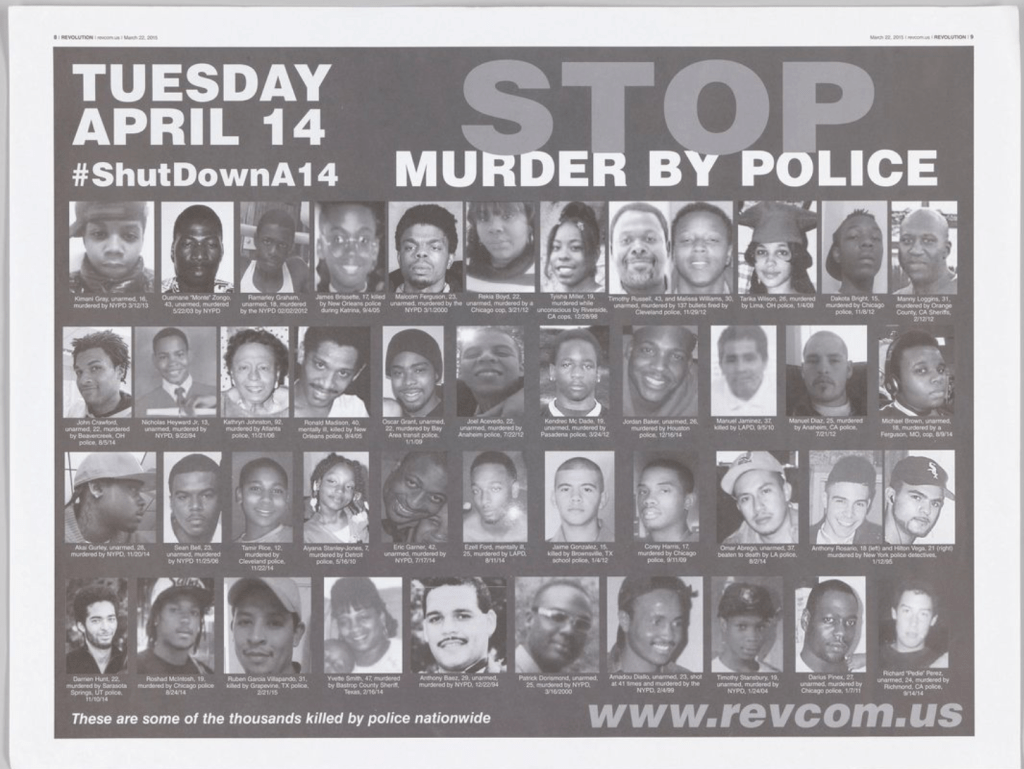
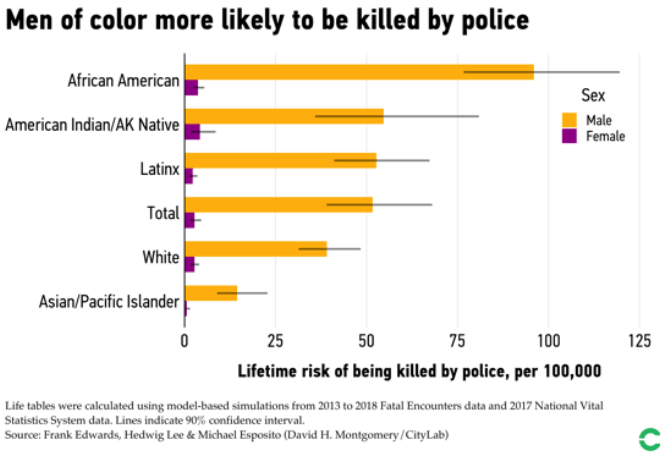
For my final research project, I will be discussing how police violence differs by race and gender. African American males have an increased risk of being killed by the police even when they are unarmed and haven’t committed crimes (Edwards, 2019). I will be connecting police brutality against blacks in connection to Howard Becker’s labeling theory. Becker argues that people come to identify and behave in ways that reflect how others label them. By applying labels to people and creating categories of deviance, these people in power reinforce society’s power structure. The racial or ethnic majority group defines deviancy for minorities. In this case, white police officers define deviancy for blacks. Racial stereotypes result in the mislabeling of people of color as deviant which results in an increased risk of death for blacks by the police.
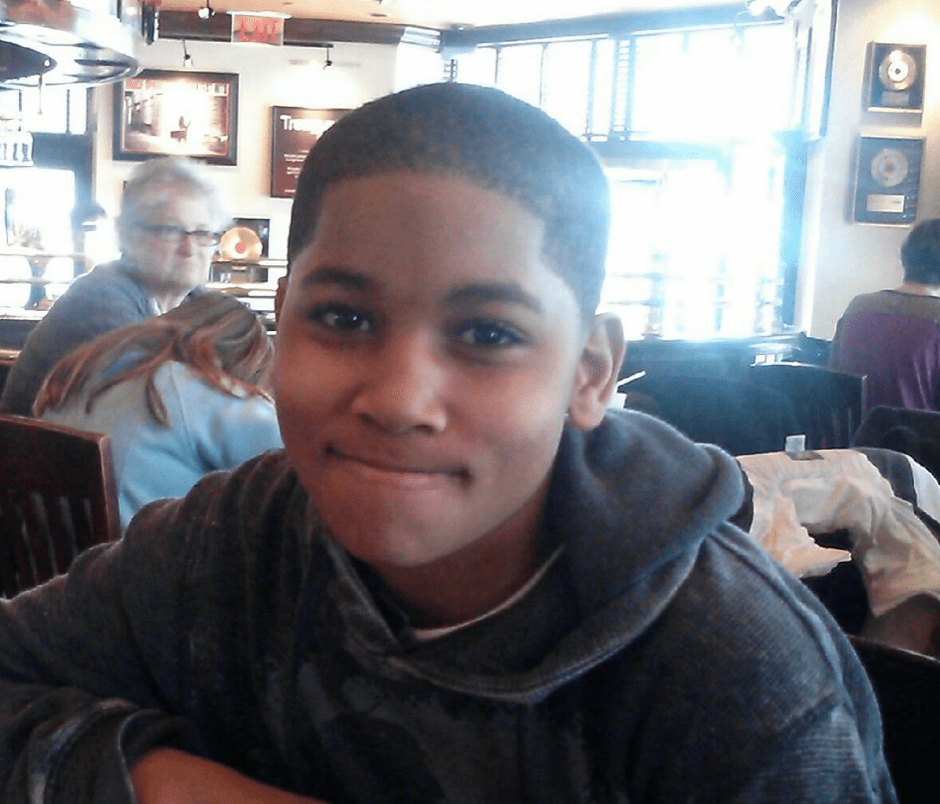
Seconds later the boy lay dying from a police officer’s bullet. “Shots fired, male down,” one of the officers in the car called across the radio. “Black male, maybe 20, black revolver, black handgun by him. Send E.M.S. this way and a roadblock.”
But the boy, Tamir Rice, was only 12.”
https://www.nytimes.com/2015/01/23/us/in-tamir-rice-shooting-in-cleveland-many-errors-by-police-then-a-fatal-one.html
Howard Becker wrote, “Deviancy is not a quality of the act a person commits, but rather a consequence of the application by others of rules and sanctions to an ‘offender’. Deviant behavior is behavior that people so label” (Becker, 1963). Howard Becker’s labeling theory, which purposes that people adopt deviant behaviors that break social norms after they have been labeled deviant by others and/or by social institutions.
Police brutality is the use of force against another person. Excessive use of physical violence constitutes brutality. But brutality goes beyond physical force. It includes emotional and sexual violence as well as verbal assault and psychological intimidation. The term “brutality” conveys more than police misconduct: “It is police conduct that is not merely mistaken, but taken in bad faith, with the intent to dehumanize and degrade its target” (Kridkin et al., 2017).
A substantial body of evidence shows that people of color, especially African Americans, are at greater risk for experiencing criminal justice contact and police-involved harm than are whites (Chaney, 2013; Von Drehle et al., 2019; Dottolo, 2016). The most comprehensive information about the connection between race and death during police encounters comes from data collected by a UK newspaper, The Guardian. Analysis of the data concluded that in 2015, “young black men were nine times more likely than other Americans to be killed by police officers.” (Alang et al. 2017).
In the U.S., African Americans are 2.5 times more likely to be killed by police than white people. For black women, the rate is 1.4 times more likely.
That’s according to a study conducted by Frank Edwards, of Rutgers University’s School of Criminal Justice, Hedwig Lee, of Washington University in St. Louis’s Department of Sociology, and Michael Esposito, of the University of Michigan’s Institute for Social Research.
According to a study published in the Proceedings of the National Academies of Sciences, over the course of a lifetime, black men face a one in 1,000 risk of being killed during an encounter with police, a rate much higher than that of white men (Edwards et al., 2019).
African Americans being anywhere from harassed to murdered are commonly portrayed in films. An an article that examine how anti-black police violence is depicted in film, the author writes, “The risk of being killed in a violent interaction with the police depends not only on environmental circumstances and individuals’ choices, but also on the interplay between one’s race/ ethnicity and the broader contextual environment in which policing occurs” (Westerbeck, 2020).
A few social institutions influence police brutality against blacks. The government as an a social institution affects its workers and the people they serve. The police work for the state government. The police have been found to kill and injure blacks at higher rates than whites in the U.S. during encounters. The government is a major source of power and so, many police officers use their power excessively. They exercise their power by using unnecessary use of force or violence and label people of color as more dangerous than whites.
The criminal justice system is also a social institution that affects police brutality. The criminal justice system is a formal mechanism whereby social control is maintained. The criminal justice system is flawed in regards to black policy brutality. The system allows male blacks to be killed more by the police than any other race or gender.
Canada’s record may not look as extreme as America’s stack of black bodies, bloodied, battered and buried by police violence but anti-black police violence is still prominent in the country. Since 1978, no police officer has ever served prison time for killing a black person (Morgan, 2016). Even though they are more often the victims of police violence rather than whites. Canada, like the U.S.. does not hold police accountable for unnecessary violence against blacks. In Canada, blacks are more often injured or killed as a result of police violence than any other race. Like in the U.S., black men are the most likely to be killed in an encounter with the police (Morgan, 2016). Although Canada has a different gun culture than the U.S., they still have a problem with police shooting black men who are often unarmed (Holmes, 2008).
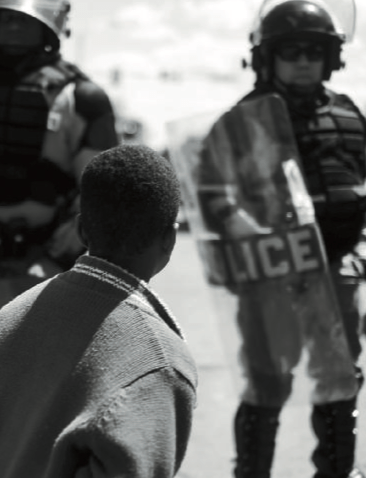
(Anti-black police violence is a very American thing. Although it has been found to also be prominent in Canada, there is no data to suggest in happens significantly in any other country)
Becker, Saul Howard. (1963). Outsiders: Studies in the Sociology of Deviance. New York City, New York: The Free Press.
Alang, Sirry, et al. (2017). “Police Brutality and Black Health: Setting the Agenda for Public Health Scholars.” American Journal of Public Health, 5(107), 662–665., doi:10.2105/AJPH.2017.303691
Chaney, C., Robertson, (2013). R.V. Racism and Police Brutality in America. J Afr Am St 17, 480–505.
Holmes, M. D., & Smith, B. W. (2008). Race and Police Brutality : Roots of an Urban Dilemma. State University of New York Press.
Westerbeck, R. (2020). Police Brutality, Over-Policing, and Mass Incarceration in African American Film. Journal of Black Studies, 51(3), 213–227.
Von Drehle, D., Sanburn, J., Altman, A., Calabresi, M., Rhodan, M., & Scherer, M. (2015). The Roots of a Riot. (Cover story). TIME Magazine, 185(17), 34–39.
Alang, S. (2018). The More Things Change, the More Things Stay the Same: Race, Ethnicity, and Police Brutality. American Journal of Public Health, 108(9), 1127–1128.
Morgan, A. (2016). Why Canada needs Black Lives Matter. CCPA Monitor, 23(3), 10.
Kridkin, K., Wintersieck, A., Courey, J., & Thompson, J. (2017). Race and police brutality: The importance of media framing. International Journal of Communication 11(2017), 3394–3414.
Dottolo, A.L., Stewart, A.J. (2016). Don’t ever forget now, you’re a black man in america: Intersections of race, class and gender in encounters with the police. Sex Roles 59, 350–364.
Edwards, F., Hedwig, L., & Esposito, M. (2019). Risk of being killed by police force in the United States by age, race- ethnicity and sex. PNAS, 34(116), 16793-16798.
Drug policy covers everything from the classification of drugs and which are illegal to legal punishment for drug activity and treatment as well as rehabilitative services. Drug policy differs throughout the world and it also differs by the kind and type of drug. Certain drugs have certain penalties. Milder drugs, such as cannabis, have lesser sentences than harder drugs such as heroin. Governments are not the only contributors to drug policy. Societies define not only the meaning of drugs but also the meaning of the drug experience; these definitions differ radically among different societies and among subgroups and subcultures within the same society. Social groups and cultures define what kind of drug taking is appropriate. These groups define which drugs are acceptable and which are not. They define who takes drugs and why. They decide what amounts of each drug are socially acceptable. They spell out which social situations are approved for drug use and which are not. They define what drugs do, what their actions and effects on people will be. In Becker’s book he states, “Social controls affect individual behavior, in the first instance, through the use of power, the application of sanctions” (Becker, 1963). Governments as a social institution control individual behavior, in this case, drug use, through laws and policies. In early 2014, the U.K.’s government conducted an eight-month study comparing drug laws and rates of drug use in 11 countries, including Portugal. Published in October, the report concludes that “we did not in our fact-finding observe any obvious relationship between the toughness of a country’s enforcement against drug possession, and levels of drug use in that country.”
Heroin & Portugal
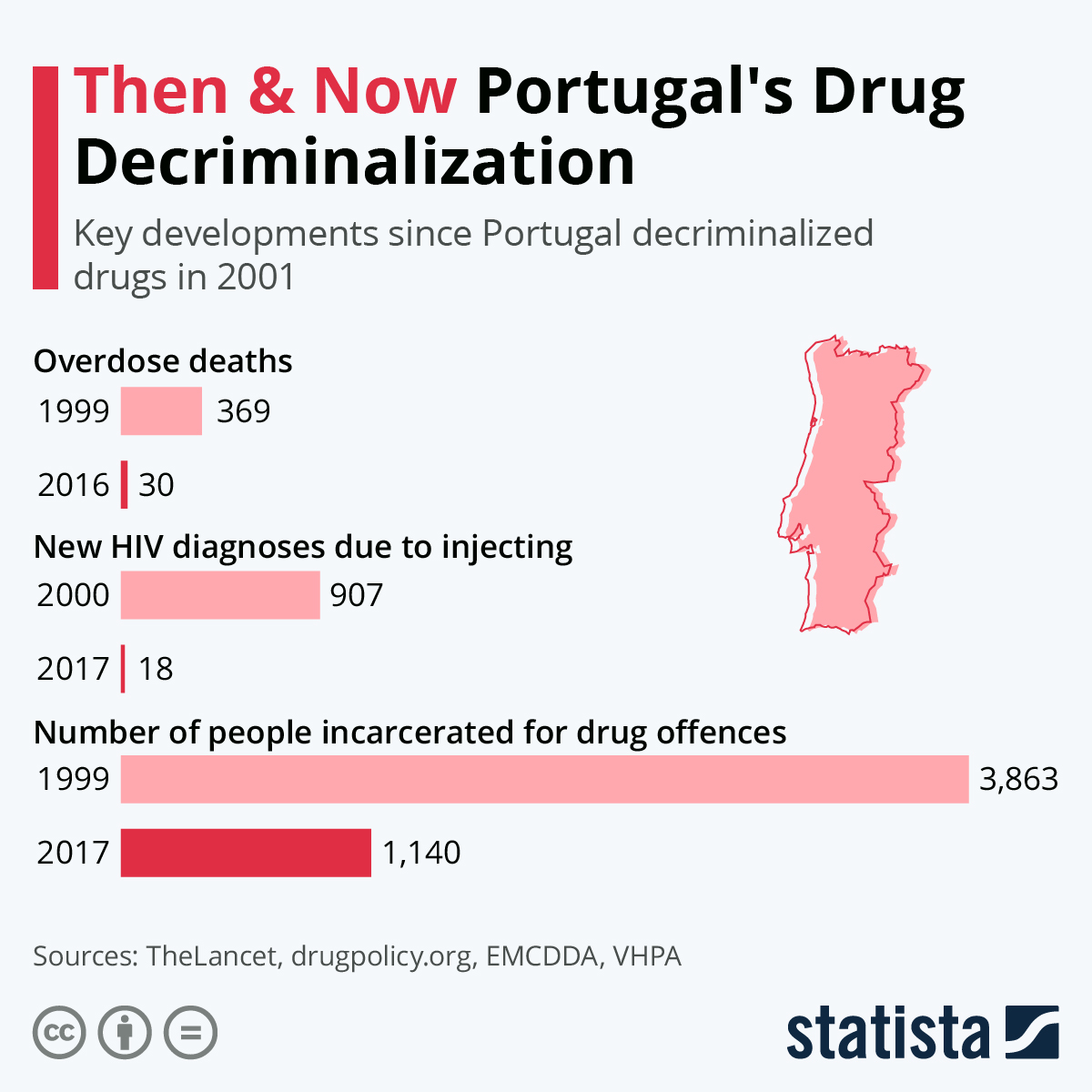
In an effort to reduce harm related to drug use and drug criminalization, Portugal is leading the way. Rather than respond as many governments have, with zero-tolerance legislation and an emphasis on law enforcement, the commission suggested the decriminalization of all drugs, coupled with a focus on prevention, education, and harm-reduction. The objective of the new policy was to reintegrate the addict back into the community, rather than isolate them in prisons, the common approach by many governments. Two years later, Portugal’s government passed the decriminalization of all drugs. Portugal’s drug policy aims to support individuals and communities suffering from drug use rather than punish them.
Heroin and the U.S.
Drug policy in the United States could not be more different. In the U.S., law enforcement still takes center stage, and the war on drugs is defended by vested interests — from police unions to private prison companies — that command billions in resources. While the top drug control official in Portugal is a doctor, the U.S. has a drug high level official who specializes in law enforcement. Unlike Portugal, no illicit drug has been decriminalized federally. When heroin possession is charged as a federal offense in federal court, a person who is convicted of a first offense of heroin possession, who has no prior convictions of possession of any narcotic (be they in federal or state court), may be sentenced to not more than one year in prison, fined not less than $1,000, or both. A person convicted of heroin possession after a prior conviction of possession of that or any other narcotic in either federal or state court may be sentenced to not less than 15 days and not more than two years in prison, fined not less than $2,500, or both. Two or more prior convictions of possession of any narcotic in federal or state court may lead to a sentence of not less than 90 days in prison, a fine of not less than $5,000, or both. The term of imprisonment and the amount of the fine may be affected by the quantity of the drug seized. A charge of possession with intent to distribute (sell) heroin greatly increases the penalties.
References
Becker, Howard. (1963). Outsiders: Studies in the Sociology of Deviance. New York City, New York: The Free Press.
Inciardi, J. (1987). Sociology and American Drug Policy. The American Sociologist, 18(2), 179-188. Retrieved April 26, 2020, from http://www.jstor.org/stable/27702561
Sex Work
Sex work is defined as the exchange of money or other valuables for sexual services or activities. Sex work is not to be confused with sex trafficking or any other means of coerced sex work. In many countries sex work is illegal, but it remains legal in a few different countries around the world. Sex work is often very stigmatized and not viewed as an actual job by many societies and people wherein. Sex work is controlled and managed by the government in many countries. In Angela Jones’ book, “Camming: Money, Power, and Pleasure in the Sex Work Industry”, she states, “Moral entrepreneurs include an array of politicians and political pundits, as well as agents within the rescue industry, who, drawing from religious and neo-Victorian ideas about appropriate sexuality, collectively construct policies that harm and stigmatize sex workers”.
Germany & Sex Work
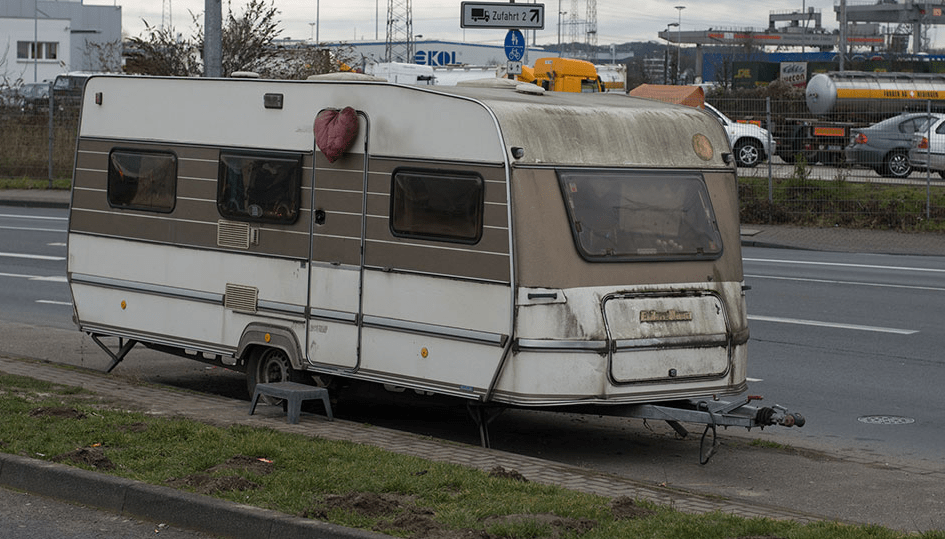
Germany is one of the few countries where selling sex, buying sex, brothers and pimping is legal. Germany legalized prostitution in 2002 it triggered an apparently unstoppable growth in the country’s sex industry. It’s now worth 15 billion euros a year and embraces everything from 12-story mega-brothels to outdoor sex boxes. Sex boxes are often cargo vans found on the side of the road, see attached photo for an example. In Germany, the country legalized sex work basically to make a lot of money. But initially the idea was to recognise prostitution as a job like any other. Sex workers should be able to enter into employment contracts, sue for payment and register for health insurance. Unfortunately, this did not end up being the case. In the article the author Joel Gunter states, “Nobody employs prostitutes in Germany”. To expand, he states, “None of the authorities I spoke to had ever heard of a prostitute suing for payment, either. And only 44 prostitutes have registered for benefits”. Even though the social institution, the government, aimed to benefit sex workers, they ended up keeping the industry the same but making a lot of money.
Thailand & Sex Work
Unlike Germany, sex work is illegal and incredibly stigmatized in Thailand. But like Germany, it has one of the biggest sex industries around the world, gesturing sex tourism. Sex workers in Thailand are often mistreated and receive no employment benefits. But there are some groups of workers who advocate for themselves. One group of workers at Can Do Bar in Northern Thailand collectively own their business, entitling them to health insurance, time off, and fixed hours. They are known as Empower. There is a catch though. Their business disguises as a sewing bar, where clients can come get services. Thousands of Thai and migrant sex workers have learned from Empower to negotiate with bar and massage parlor owners for better conditions, and to lobby the government to decriminalize their work to improve their incomes, safety and wellbeing. In Thailand, no matter the “level” of sex work a worker is in, they all get pretty equal discrimination.
References
Jones, Angela. (2020), Camming: Money, Power, and Pleasure in the Sex Work Industry (Links to an external site.). New York: NYU Press.
Chandran, Rina. (2019). No Sewing Please, We’re Sex Workers: Thai Prostitutes Battle Stigma. Reuters, Thomson Reuters, http://www.reuters.com/article/us-thailand-women-sexworkers-idUSKCN1SL2Z0.
Gunter, Joel. “Welcome to Paradise.” (2010). The Telegraph, Telegraph Media Group, s.telegraph.co.uk/graphics/projects/welcome-to-paradise/.
This is an example post, originally published as part of Blogging University. Enroll in one of our ten programs, and start your blog right.
You’re going to publish a post today. Don’t worry about how your blog looks. Don’t worry if you haven’t given it a name yet, or you’re feeling overwhelmed. Just click the “New Post” button, and tell us why you’re here.
Why do this?
The post can be short or long, a personal intro to your life or a bloggy mission statement, a manifesto for the future or a simple outline of your the types of things you hope to publish.
To help you get started, here are a few questions:
You’re not locked into any of this; one of the wonderful things about blogs is how they constantly evolve as we learn, grow, and interact with one another — but it’s good to know where and why you started, and articulating your goals may just give you a few other post ideas.
Can’t think how to get started? Just write the first thing that pops into your head. Anne Lamott, author of a book on writing we love, says that you need to give yourself permission to write a “crappy first draft”. Anne makes a great point — just start writing, and worry about editing it later.
When you’re ready to publish, give your post three to five tags that describe your blog’s focus — writing, photography, fiction, parenting, food, cars, movies, sports, whatever. These tags will help others who care about your topics find you in the Reader. Make sure one of the tags is “zerotohero,” so other new bloggers can find you, too.

 SOCI 260: Elizabeth Cullinan